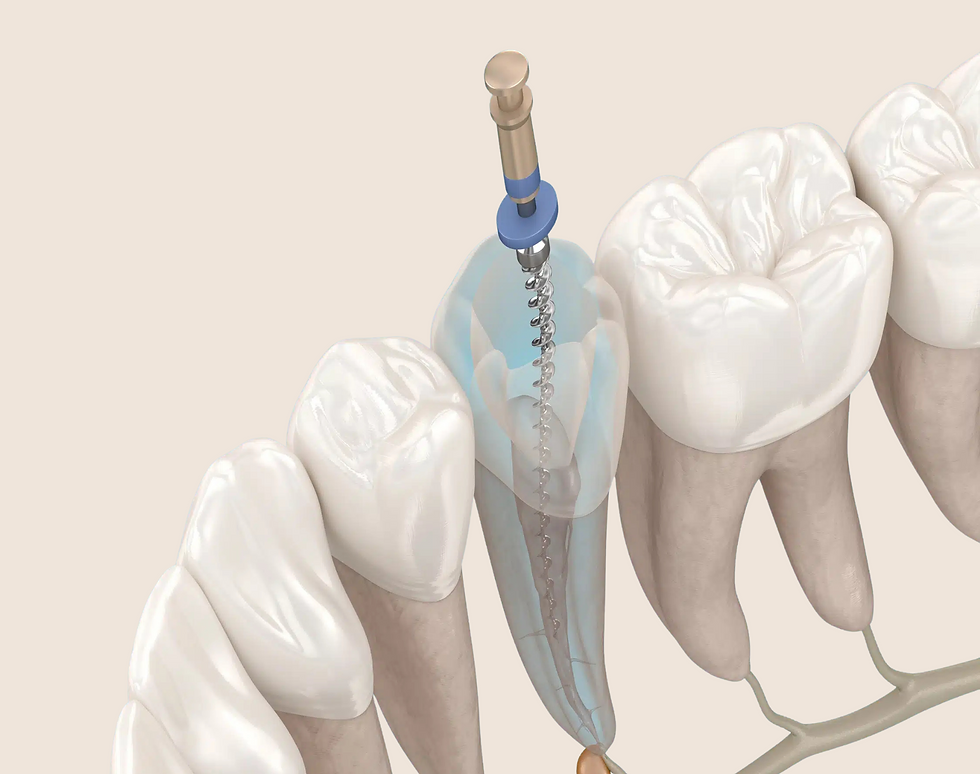
Pulp Therapy is a dental treatment for children that removes infection or decay from inside a tooth. It preserves the tooth’s structure, relieves pain, and maintains function while the child’s mouth continues to develop.
Pulp therapy treats infected or damaged pulp inside children’s teeth. After removing diseased tissue, the space is disinfected and sealed to preserve the tooth’s structure. This prevents extraction, relieves pain, and maintains proper development of permanent teeth beneath.
Pulp Therapy helps save children’s teeth affected by deep decay. It reduces pain, treats infection, and preserves natural tooth structure. Early treatment prevents extractions, ensuring healthy development of permanent teeth and maintaining oral health during critical childhood growth stages.
Pulp Therapy
Protect children’s teeth with gentle pulp therapy treatment.
Children with decayed, infected, or injured baby teeth may consider pulp therapy. This treatment preserves the natural tooth while alleviating pain and preventing infection. It is ideal for young patients whose developing smiles need protection and restoration, allowing them to maintain proper chewing function and space for permanent teeth.
Pulp therapy for children involves numbing the tooth and gently removing infected pulp tissue. The space is cleaned and filled to preserve the tooth. Patients remain comfortable throughout, and parents appreciate the compassionate care. Children leave with pain relieved, a healthy tooth maintained, and confidence restored in their smile.
Pulp therapy procedures, commonly done for children, usually take 30–60 minutes. The time depends on the severity of infection and the tooth treated. Recovery is generally quick, and children can return to normal activities soon after. Follow-up visits may be recommended to monitor long-term tooth health.
Pulp therapy saves children’s teeth but may cause mild sensitivity afterward. Parents should encourage gentle chewing until healing occurs. Follow-up appointments ensure the treated tooth remains healthy. Maintaining good oral hygiene and routine dental visits are key to long-term success, helping protect the child’s bite and future dental development.
Recovery from pulp therapy in children is generally quick. Some mild soreness or sensitivity may occur for a day or two. Eating soft foods helps reduce discomfort. Good oral hygiene is important for healing. Children usually return to normal activities right away and enjoy restored comfort and dental health.